Blog


Phone Number
(843) 345-2415
Send Your Mail
darryl@thepoolcarepros.com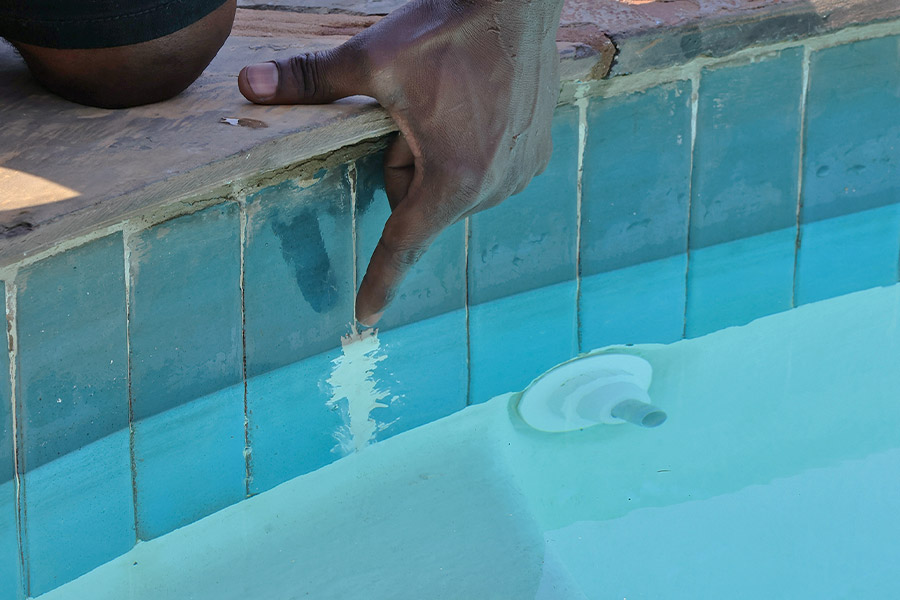
If you step outside in the morning and notice your pool water level has dropped more than expected, it can be frustrating and a little concerning. Many homeowners across South Carolina, especially in Charleston, Myrtle Beach, Hilton Head, Columbia, and Greenville, deal with this issue during the warmer months.
At first, it is easy to assume it is just evaporation. After all, the heat, humidity, and frequent pool use in this region can cause water to disappear faster than expected. But when the water level drops overnight, the situation often points to something more serious.
Understanding what is normal and what is not can help you avoid costly damage and unnecessary stress.
Every pool loses some water naturally. In South Carolina’s climate, evaporation happens faster due to high temperatures and sun exposure.
In most cases:
However, if your pool is losing more than this, especially without heavy use, it is time to take a closer look. Overnight water loss is usually the biggest red flag.
A noticeable drop in water level overnight is rarely caused by evaporation. Since there is no sun and minimal activity, water loss during this time often signals a leak.
Many pool owners first notice the issue through small but consistent changes. For example, you might find yourself refilling the pool more often than usual or noticing that the water level drops below the skimmer faster than expected.
Common warning signs include:
These signs may seem minor at first, but they often indicate a developing issue that should not be ignored.
One of the simplest ways to determine whether your pool is leaking is by doing a basic bucket test.
Fill a bucket with pool water and place it on a step inside your pool. Mark the water levels inside the bucket and on the pool wall. After 24 hours, compare the two levels.
If the pool water has dropped more than the water inside the bucket, there is a strong chance you are dealing with a leak.
While this test helps confirm the problem, it will not tell you where the leak is coming from.
There are several possible reasons your pool may be losing water. Some are easy to spot, while others require professional tools to detect.
Underground plumbing leaks are one of the most common causes. These can develop due to aging pipes, shifting soil, or installation issues. In areas like Columbia and Greenville, ground movement can make this more likely.
Cracks in the pool shell can allow water to escape slowly over time. You might notice visible cracks, loose tiles, or uneven surfaces. Structural problems tend to worsen if left untreated.
Sometimes the problem is not in the pool itself but in the equipment. Pumps, filters, heaters, and valves can all develop leaks. If you see water pooling around your equipment area, it is worth investigating.
Skimmers and return lines are common weak points. Over time, seals can wear out and connections can loosen, leading to hidden leaks.
In coastal areas like Charleston and Hilton Head, salt air and heavy usage can accelerate wear and tear. This can make leaks develop faster than expected.
It might be tempting to delay repairs, especially if the water loss seems minor. However, even a small leak can lead to serious problems over time.
Ignoring a leak can result in:
For Airbnb and vacation rental owners, the impact can go even further. A poorly maintained pool can lead to guest complaints, negative reviews, and lost bookings.
There comes a point when basic checks are no longer enough. If your pool continues losing water and you cannot find the cause, it is time to bring in an expert.
You should consider professional help if:
Professional pool leak detection uses advanced tools and techniques to locate the exact source of the problem without unnecessary digging or guesswork.
A professional inspection is thorough and designed to pinpoint the issue quickly. The process typically includes:
This level of accuracy ensures the problem is fixed correctly the first time.
A homeowner in Myrtle Beach once assumed their pool was losing water due to summer heat. Over time, the issue became worse, and the water level began dropping below the skimmer overnight.
After calling a professional, the issue was identified as an underground plumbing leak. Because it was caught early, the repair was straightforward and far less expensive than it could have been.
While not every leak can be prevented, regular maintenance and early action can reduce your risk.
Here are a few simple steps:
Staying proactive can save you both time and money in the long run. If your pool is losing water overnight, it’s not something to ignore. While evaporation is common in South Carolina, consistent or rapid water loss is usually a sign of a deeper issue.
Taking action early can prevent costly repairs and help keep your pool in excellent condition. Scheduling a professional pool inspection can help identify hidden leaks and underlying problems before they worsen. When in doubt, having an expert assess the situation gives you clarity and peace of mind.
Most pools lose about 0.25 to 0.5 inches daily. In hot climates, up to 1 inch can be normal.
The bucket test is the easiest method. If your pool loses more water than the bucket, you likely have a leak.
Costs vary based on the issue and pool size, but professional inspections are typically a worthwhile investment compared to repair costs.
No, leaks do not fix themselves. They usually worsen over time.
Most inspections take a few hours, depending on the complexity of the issue.
Our Blog

© 2025 The PoolCare Pros. All Rights Reserved | By Wayo Media